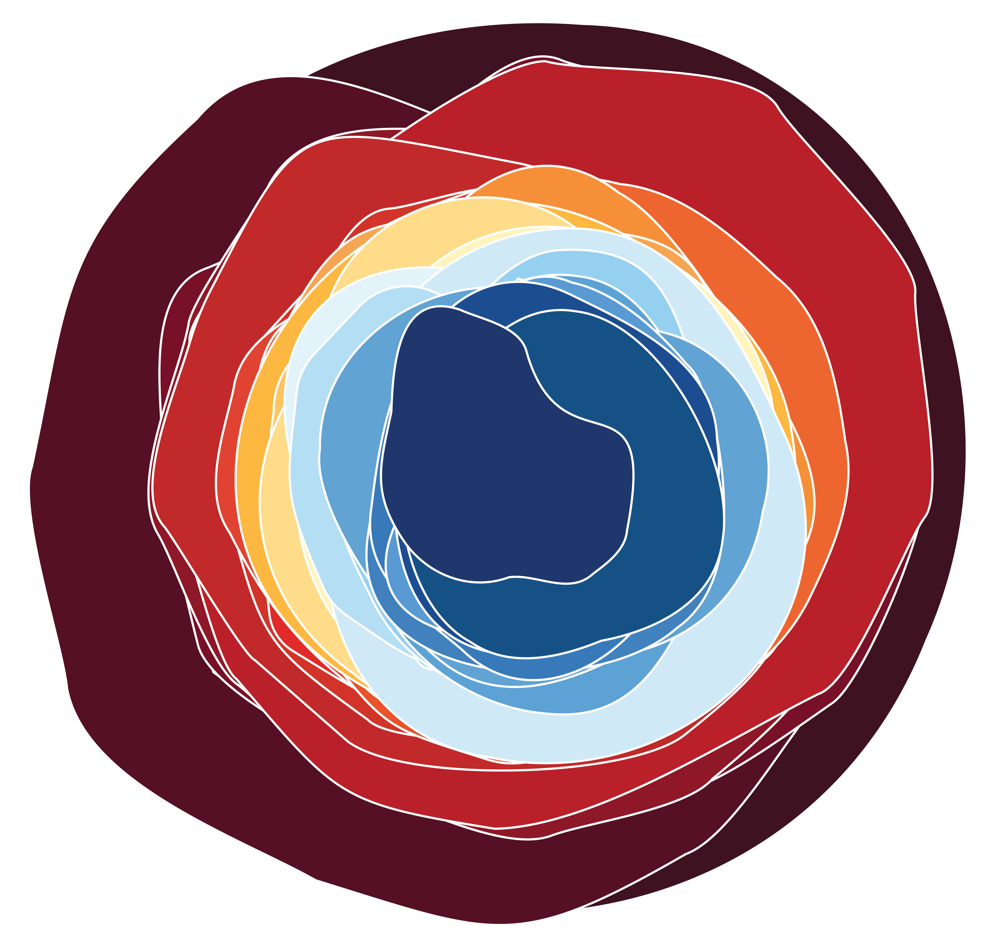
Introduction – In this paper, we present the preliminary design of a toolkit for making glyph-based physicalizations for public engagement. We use London river health data as a case study: a data set of significance to urban issues related to climate change and of interest to draw public attention, as part of the Greater London Authority's strategies. Design – We present the components of a 3D glyph-making toolkit, its encodings, and a step-by-step process for crafting a physicalization of a river's water quality using recycled materials. We reason about how users can use the template to learn about a data set while reflecting on the data's significance to their personal experience and self-mapping onto the physicalization. Reflection – We reflect on the opportunities that extending the design space of glyphs to 3D physicalization offers for supporting public engagement with complex, multi-dimensional data sets, scaffolding cognitive processes, and self-reflection, thereby bringing crucial environmental data to life. Conclusion – Future implementation of the 3D glyph template will enable the public of all abilities to explore river health data, physicalize complexity, and realize its relevance. We hope that its use in public engagement workshops will help raise awareness, invite care, and foster a sense of belonging.